





























































































Oil Prices Rise Amid US-Iran Tensions

Introduction
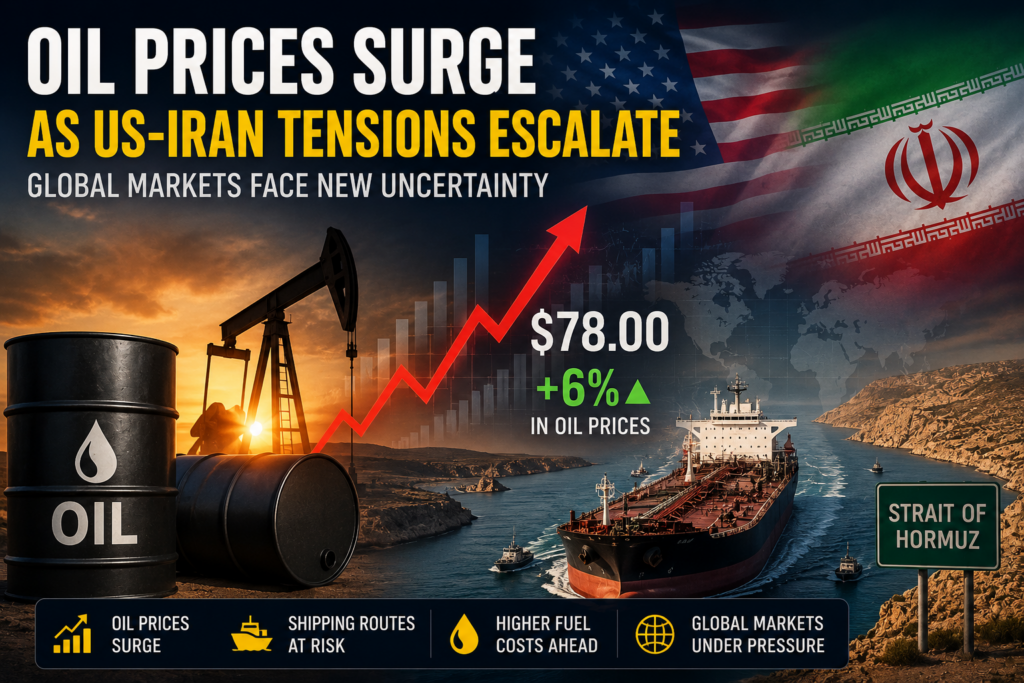
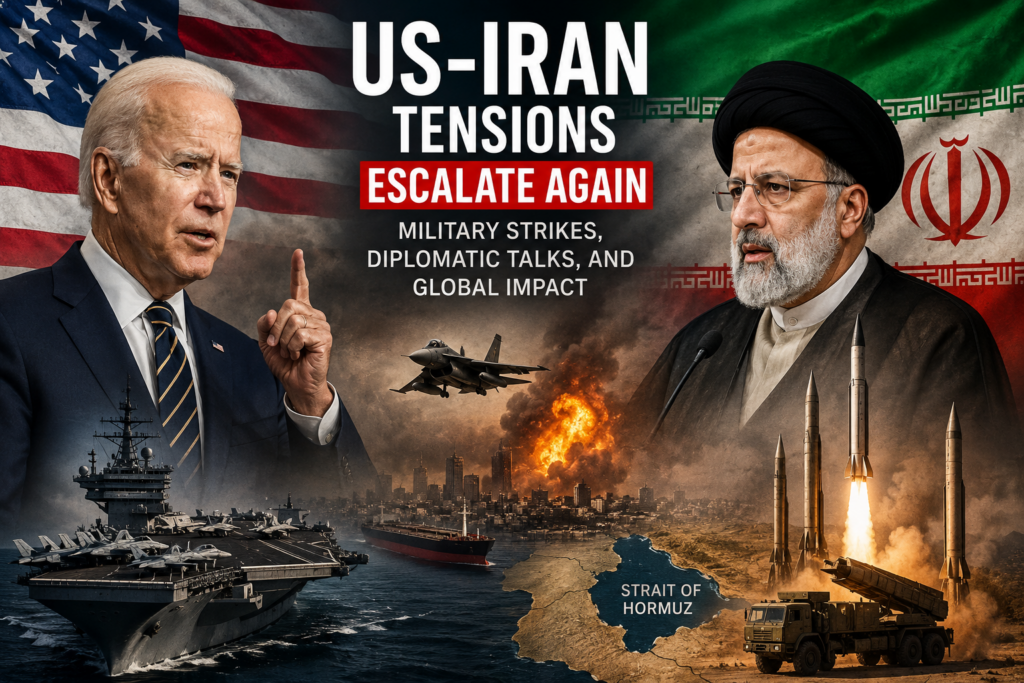
Growing tensions between the United States and Iran have once again placed global energy markets under pressure. Investors, governments, and businesses are closely watching the situation as concerns increase over oil supplies, shipping routes, and fuel prices. The latest developments have renewed fears that continued instability in the Middle East could affect economies around the world.
Oil Prices React to Rising Tensions
International crude oil prices moved higher following reports of renewed military and political tensions between the two countries. Energy analysts say uncertainty in the region often causes investors to expect possible supply disruptions, pushing oil prices upward.
Although prices have increased, experts note that future market movements will largely depend on how the situation develops in the coming weeks.
Why the Strait of Hormuz Matters
The Strait of Hormuz is one of the world’s most important oil transportation routes. A significant portion of global oil exports passes through this narrow waterway every day.
Any disruption to shipping traffic could slow energy supplies, increase transportation costs, and place additional pressure on global fuel markets.
Impact on Fuel Prices
Higher crude oil prices may eventually lead to increased gasoline and diesel prices in many countries. However, economists explain that retail fuel prices usually take time to reflect changes in international oil markets.
Consumers could experience higher transportation and energy costs if market uncertainty continues.
Shipping and Insurance Costs Rising
The ongoing tensions have also increased risks for commercial shipping companies operating in the region. As security concerns grow, insurance premiums for oil tankers may rise, making international transportation more expensive.
Higher shipping costs can eventually influence the prices of various goods traded around the world.
Strong US Oil Production Helps Stability
Despite market uncertainty, the United States continues to maintain strong domestic oil production. Increased production has helped reduce some supply concerns and provided additional support to global energy markets.
Industry experts believe steady production from major oil-producing countries could help limit extreme price spikes if supply routes remain open.
Global Economic Outlook
Financial markets remain cautious as investors monitor every new development. Energy prices directly influence manufacturing, transportation, and international trade, meaning prolonged instability could slow economic growth in several regions.
Governments are encouraging diplomatic efforts to reduce tensions and avoid further disruptions to global markets.
Conclusion
The latest developments between the United States and Iran highlight how geopolitical events can quickly affect global energy markets. While oil prices have risen in response to uncertainty, future market direction will depend on diplomatic progress, regional security, and the stability of international oil supply routes. Businesses, investors, and consumers will continue to monitor the situation closely as new updates emerge.